A Tampa homeowner may pass your billboard on the way to work, see your name in a trusted neighborhood publication, hear your founder on a business podcast, and search for your services a week later. That is not overexposure. That is how the best media mix for local brands creates familiarity before a customer is ready to buy.
Local growth rarely comes from one perfect ad placement. It comes from showing up consistently in the places your ideal customers already pay attention to, with a message they recognize and a reason to remember you. For professional services, home improvement companies, healthcare providers, franchise operators, and established local businesses, the goal is not simply more impressions. The goal is local confidence.
What Makes the Best Media Mix for Local Brands Work
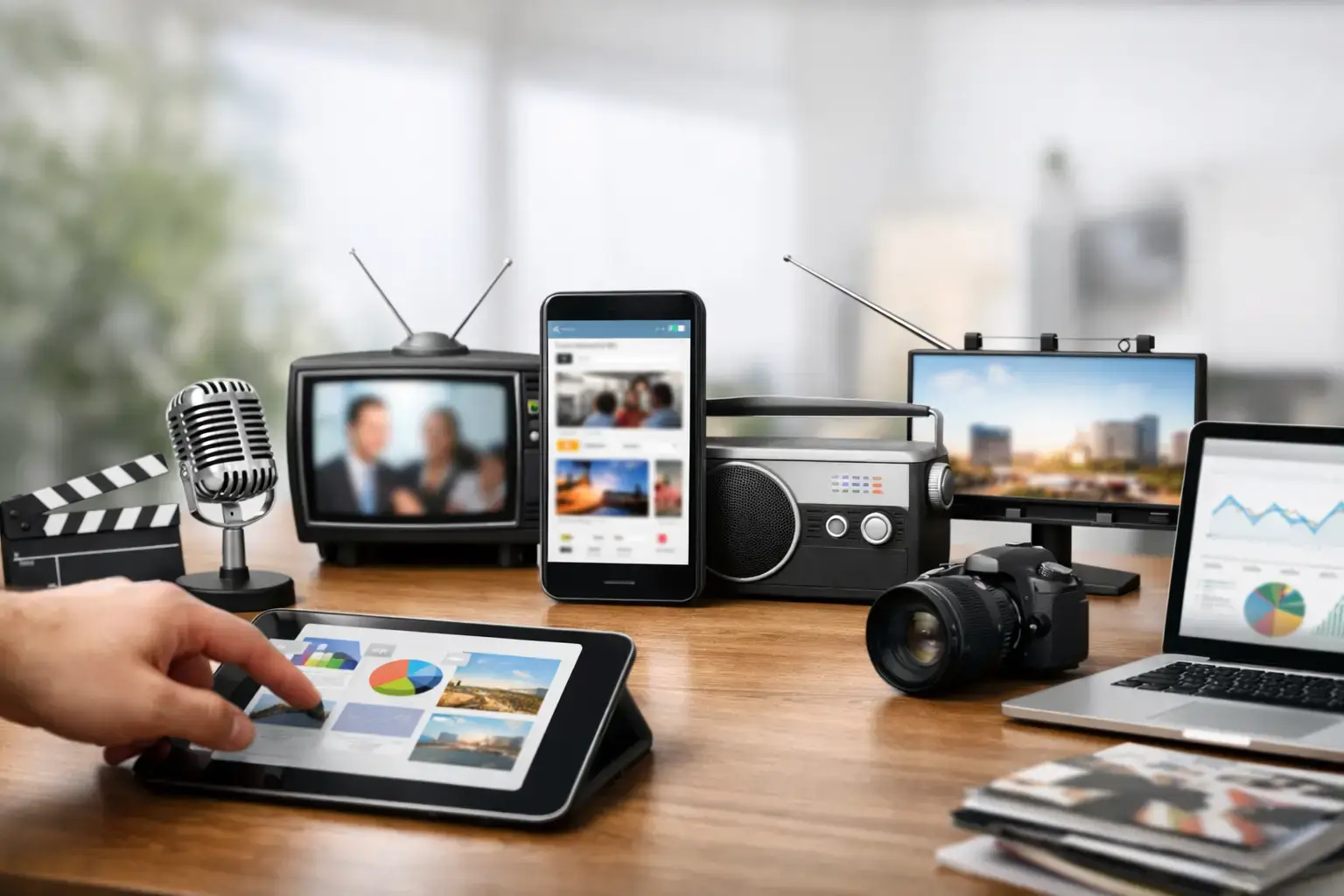
A media mix is the combination of channels used to carry your message. The right mix balances reach, frequency, trust, and timing. Reach puts your brand in front of qualified people. Frequency helps them remember it. Trust gives your message weight. Timing makes sure your business is visible when a need becomes urgent.
A digital-only campaign can produce quick clicks, but clicks do not always build a respected local brand. Traditional media can create strong presence, but it may be harder to connect that exposure to immediate action when it runs alone. The strongest local plans let each channel do a different job while reinforcing the same brand promise.
For example, a high-end remodeling company does not need to chase every homeowner across the region. It needs to be known in the neighborhoods where its best projects, referrals, and future clients live. A well-placed print feature may establish credibility. A podcast conversation can put a real voice behind the business. Digital retargeting can keep the company visible after interest begins. Together, those placements move people from recognition to consideration.
The rule is simple: choose channels based on how your local customer makes decisions, not based on what is currently getting the most marketing buzz.
Start With the Neighborhood You Want to Own
Local marketing becomes expensive when the target is vague. “Everyone in Tampa” is not a strategy. A neighborhood, a business district, a commuter corridor, or a defined group of affluent households gives your campaign direction.
Start by identifying where your highest-value customers are concentrated. Look at current customer addresses, average job values, referral sources, service areas, and the communities where your brand already has momentum. Then ask a more useful question: where would greater familiarity create the biggest return?
For a boutique legal practice, that may be neighborhoods filled with business owners and established families. For a luxury wellness provider, it may be communities where discretionary spending and lifestyle services are already part of the local culture. For a regional contractor, it may be high-growth areas where new homeowners will soon need upgrades and trusted service partners.
This is where localization matters. Your message should sound like it belongs in the community, not like it was copied from a national campaign. Mention the problems you solve, the standards you bring, and the people you serve. Community storytelling is not filler. It gives local audiences a reason to see your business as part of the place they call home.
Build Around One Clear Brand Message
Before selecting media, tighten the message. A fragmented campaign often begins with fragmented positioning: one ad pushes a discount, another highlights a service, and a third uses an unrelated slogan. The audience may see all three and still fail to remember the business.
Choose one central idea that can travel across every channel. It could be faster response times, white-glove service, decades of expertise, a premium client experience, or a deep commitment to Tampa families and businesses. That message should remain recognizable whether someone encounters it in print, audio, social media, or a local event.
Consistency does not mean repeating the same ad word for word. It means every appearance points back to the same promise. That is how brand recall compounds.
Use Trusted Local Media as the Visibility Engine
For many local brands, trusted community media should be the anchor of the plan. It places your business in an environment that already has audience attention and local credibility. That can include neighborhood publications, direct community mail, out-of-home placements, business-focused podcasts, and locally relevant editorial opportunities.
Print and direct mail remain especially valuable when targeting established households. They create a physical presence that is difficult to scroll past, and they often stay in the home longer than a digital impression lasts. A polished placement in the right publication tells residents that your company is serious about serving their community.
Audio adds a different kind of connection. A business podcast appearance gives founders and experts room to explain their point of view, share their story, and demonstrate knowledge without forcing everything into a 15-second ad. For service businesses built on trust, hearing the person behind the brand can do more work than another generic promotion.
Out-of-home media builds visual familiarity. A strategically placed billboard, transit placement, or community display can make a brand feel established quickly, particularly when it reaches people repeatedly along routines they already follow. It is not designed to explain every service. It is designed to plant a memorable flag in the market.
The trade-off is that traditional channels need patience and repetition. One placement is rarely enough to change perception. Run them long enough for the community to notice, then use digital channels to make that attention actionable.
Add Digital Media to Capture Intent
Digital media is most effective in a local mix when it supports the broader campaign rather than carrying the entire load. Search advertising captures people who are actively looking. Social advertising can narrow an audience by geography, interests, and behaviors. Retargeting keeps your business present after someone has visited your site or engaged with your content.
Think of local media as the billboard on the branding highway and digital as the exit sign that helps interested customers find your door.
A homeowner may first recognize your company from a neighborhood magazine. Later, when a repair need becomes real, they search online. If your brand appears in that moment with a clear service page, strong reviews, and an easy path to contact you, the earlier exposure has made that click more valuable.
Digital targeting should stay disciplined. Avoid spending heavily on broad audiences that have little chance of becoming customers. Focus on your service radius, priority neighborhoods, high-value offerings, and seasonal demand. A campaign for estate planning will have a different rhythm than one for storm restoration or elective healthcare.
Consider Co-Op Advertising to Extend Your Budget
Co-op advertising can be a smart route for franchisees, retailers, dealers, and businesses that represent larger brands. In these arrangements, a manufacturer, parent company, or supplier may contribute funds or approved creative for local advertising.
The advantage is obvious: more visibility without placing the full financial burden on the local operator. But co-op campaigns can become forgettable if they sound like every other market. Use the available brand support, then make the local connection clear. Feature your local team, your local reputation, and the communities you serve.
A co-op program works best when it strengthens local ownership rather than hiding it. Customers want to know they are dealing with a recognized brand, but they also want confidence that a real business nearby will answer the phone and stand behind the work.
Set a Budget for Frequency, Not Just Variety
The biggest media-mix mistake is spreading a budget across too many channels too quickly. A brand runs one small ad here, a few social posts there, a short podcast sponsorship, and a month of search ads. The activity looks busy, yet no channel receives enough investment to create meaningful recall.
Start with two or three core channels that match your audience and market objective. Give them enough runway to work. Then add supporting tactics that help capture leads, reinforce credibility, or reach a secondary audience.
A growing local brand might anchor its plan with neighborhood print and podcast exposure, then use paid search and retargeting to capture demand. A business with a stronger awareness base may add out-of-home media to widen reach across key corridors. The best allocation depends on market size, buying cycle, average customer value, and how quickly customers need your service.
High-ticket businesses can often justify a longer brand-building cycle because one new client may cover a meaningful share of the campaign. Lower-margin businesses may need a tighter connection between awareness media and immediate offers. Both approaches can work, but they should not be measured by the same standard.
Measure the Signals That Lead to Growth
Local brand campaigns deserve more than a report full of impressions. Watch for branded search growth, direct website traffic, calls that mention seeing your company, inquiries from priority ZIP codes, podcast referral traffic, form submissions, booked appointments, and changes in close rates.
Ask every new lead one question: “How did you hear about us?” The answer will not always be perfect, because customers often encounter a brand in several places. That is the point. Multi-channel exposure creates overlap. A prospect may remember the last touch they saw, while the earlier placements did the work of building trust.
Review results monthly, but do not abandon a sound local strategy after a few weeks. Awareness takes repetition. Refine the message, adjust placement, and strengthen the call to action when needed. Keep the core presence steady long enough for your market to connect the dots.
A strategic partner such as 16W Media Group can bring those moving pieces onto one road map, combining community visibility, storytelling, media placement, and campaign execution without sending your team on a scavenger hunt for separate vendors.
When your business appears with purpose across the channels your neighbors trust, all roads start leading somewhere familiar: your brand. Build that presence before the next customer needs you, and you will be the name they already know to call.