
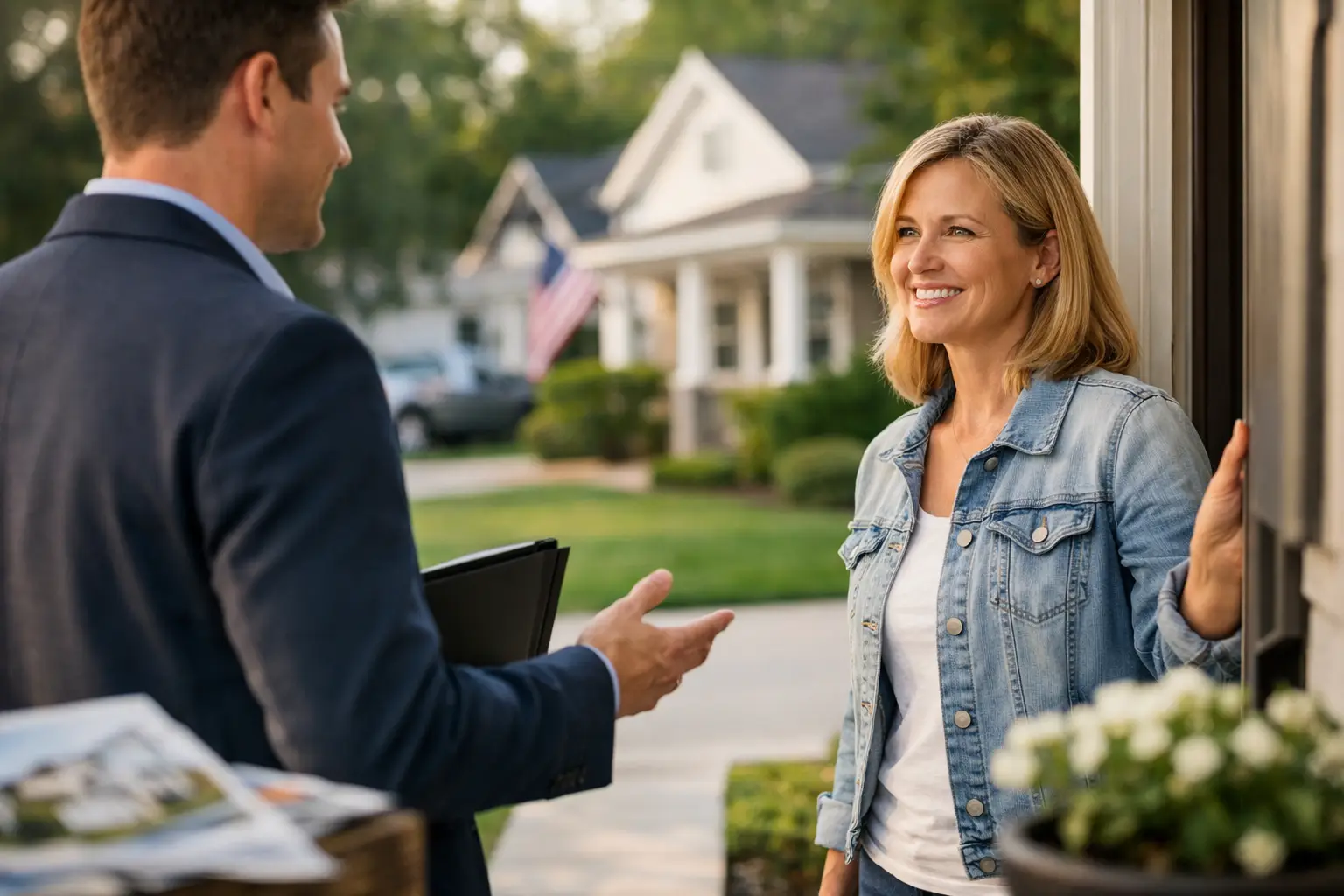
A homeowner may drive past your business twice a day, scroll past your ad at night, and still not know exactly what you do. That is the local visibility gap. Knowing how to reach neighborhood homeowners means showing up in the places they already trust, with a message that feels relevant to their street, their home, and their priorities.
For Tampa-area businesses, broad reach is not always the win. A campaign that reaches thousands of people outside your ideal service area can look impressive while producing little momentum. The better route is neighborhood-level visibility that builds familiarity before a homeowner has an immediate need.
Start With the Right Homeowner, Not Just a Zip Code
“Homeowners” is a broad audience. The family renovating a 1990s kitchen, the retiree maintaining a waterfront property, and the executive who just moved into a gated community may all own homes, but they do not respond to the same offer or message.
Begin by defining the households that create the most value for your business. Consider property type, household income, life stage, home value, service radius, and buying triggers. A landscaping company may prioritize established neighborhoods with larger lots. A financial advisor may focus on professionals nearing retirement. A med spa may find its strongest audience in affluent communities where residents value convenience, trust, and premium experiences.
This step keeps your marketing from taking the scenic route. Instead of saying, “We serve everyone in Tampa,” you can build a more useful message: “We help homeowners in this community protect, improve, or enjoy one of their largest investments.”
The goal is not to exclude people unnecessarily. It is to put your budget behind the neighborhoods most likely to recognize your value and become long-term customers.
How to Reach Neighborhood Homeowners Through Trusted Media
Homeowners are selective about attention. They ignore plenty of ads, especially messages that feel generic, rushed, or disconnected from their community. Trusted local media gives your brand a better starting point because it places your business in an environment built around neighborhood relevance.
Community publications, direct mail, local podcasts, and targeted print placements each do a different job. A neighborhood magazine can create authority and repeated brand recall. A well-designed direct mail piece can put a specific offer directly in a homeowner’s hands. Podcast exposure gives people a chance to hear your story, your expertise, and the personality behind your company.
The strongest plans do not treat these channels as separate detours. They work together. A homeowner might first see your business in a local publication, hear an interview with your founder, then receive a timely mailer. By the time they need your service, your name is no longer unfamiliar. It is the name they recognize.
That repetition matters more than a one-time splash. Most local buying decisions are not made the first time someone sees an ad. They are made after the brand has earned a place in the homeowner’s memory.
Make Your Message Feel Local
Local does not mean dropping a neighborhood name into every headline. It means demonstrating that you understand the people, properties, and pace of the area.
Use real details that connect to local homeowner concerns. In Florida, that could mean storm-season preparation, outdoor living, humidity-related maintenance, pool care, high-demand remodeling schedules, or protecting curb appeal year-round. For professional services, it may mean the questions families are asking as they build wealth, sell a business, relocate, or plan for the next generation.
Your message should lead with a clear homeowner benefit, not a list of company credentials. “Protect your home before storm season” is more compelling than “We have 20 years of experience.” Experience still matters, but it should support the promise rather than carry the entire ad.
Build Recognition Before You Ask for the Sale
Many businesses jump straight to a discount, a booking link, or an urgent call to action. Offers have their place, especially when demand is immediate. But a homeowner considering a high-trust purchase often needs more than a coupon. They need confidence.
That is where community storytelling can move your marketing forward. Share why your business serves the area, what you have learned from local customers, and the standards you bring to every project or appointment. Feature a clear point of view. Let people see the human side of the company without making the message all about you.
A remodeling firm could talk about helping families make older homes work for modern life. A dentist could emphasize making care easier for busy households. A home services company could tell stories about keeping local homes safe, comfortable, and ready for the seasons ahead.
This is not soft marketing. It is reputation-building. Homeowners are inviting businesses into their homes, finances, health decisions, and family routines. Familiarity reduces friction, while a credible story gives them a reason to choose you over the company they found five minutes ago in a search result.
Use a Multi-Channel Plan Without Creating More Work
The challenge with multi-channel advertising is execution. A business owner should not have to coordinate a printer, designer, media representative, podcast producer, and campaign analyst just to maintain visibility in a few key neighborhoods.
A smart local campaign uses one central message and adapts it across the right channels. Your core idea might be seasonal, service-driven, or rooted in a community need. From there, the wording and format can shift while the brand remains recognizable.
For example, a roofing company could center a campaign on “Know your roof is ready before the weather changes.” In a neighborhood publication, that becomes an educational, trust-building ad. In direct mail, it can become a limited inspection offer. In a podcast conversation, the owner can explain the warning signs homeowners often miss. Different formats, same brand promise.
This approach creates momentum without making your marketing feel repetitive in a bad way. Repetition is useful when the look, language, and value proposition stay consistent. It helps homeowners connect the dots quickly.
16W Media Group helps businesses put this kind of local visibility plan on the branding highway with coordinated media, storytelling, and neighborhood-focused placement.
Give Homeowners a Reason to Respond Now
Brand awareness creates the runway. A practical next step gets the plane moving.
Your call to action should match the buying cycle. If your service requires trust and consideration, invite a low-pressure first step: request a local consultation, schedule an assessment, claim a neighborhood review, or attend a small community event. If the purchase is simpler and more urgent, a direct offer can work well: book this month, receive a seasonal add-on, or call for same-week availability.
Avoid vague calls to action such as “Contact us for more information.” Homeowners should know what happens next and why it is worth their time. Specificity builds confidence.
Also make response easy. If your ad sends someone to a phone line, the call should be answered professionally. If it prompts a web inquiry, the follow-up should be prompt and personal. Local advertising can open the door, but your customer experience has to welcome people inside.
Measure What Moves the Neighborhood
Do not judge a neighborhood campaign only by immediate clicks or calls. Those numbers matter, but local brand building often shows up first through better-quality conversations, increased direct traffic, more branded searches, referrals, and prospects who say, “I’ve seen you around.”
Track the source of every lead as carefully as possible. Ask new customers how they heard about you. Compare response by neighborhood, campaign theme, and offer. Watch which areas produce not just inquiries, but profitable, repeatable customer relationships.
Some channels will generate faster action than others. Direct mail may drive a short-term spike, while a publication or podcast can support slower, deeper trust. That is not a flaw. It is a trade-off worth understanding when you build your media mix.
The real measure is whether your business becomes easier to choose in the neighborhoods that matter most. When homeowners recognize your name, understand your value, and see you as part of the local community, all roads start leading back to your business.