A business can be busy and still be invisible in its own backyard. That is the problem measurable local advertising results solve. If your brand is showing up in the right neighborhoods, on the right channels, and often enough to be remembered, you should be able to see the impact in calls, web traffic, foot traffic, booked appointments, and revenue trends.
For local businesses in competitive markets like Tampa, visibility is not just about getting your name out there. It is about earning recognition with the people most likely to buy, refer, and return. That takes more than one ad, one platform, or one short campaign burst. It takes a smart local media plan built to move your brand down the road from exposure to action.
What measurable local advertising results actually look like
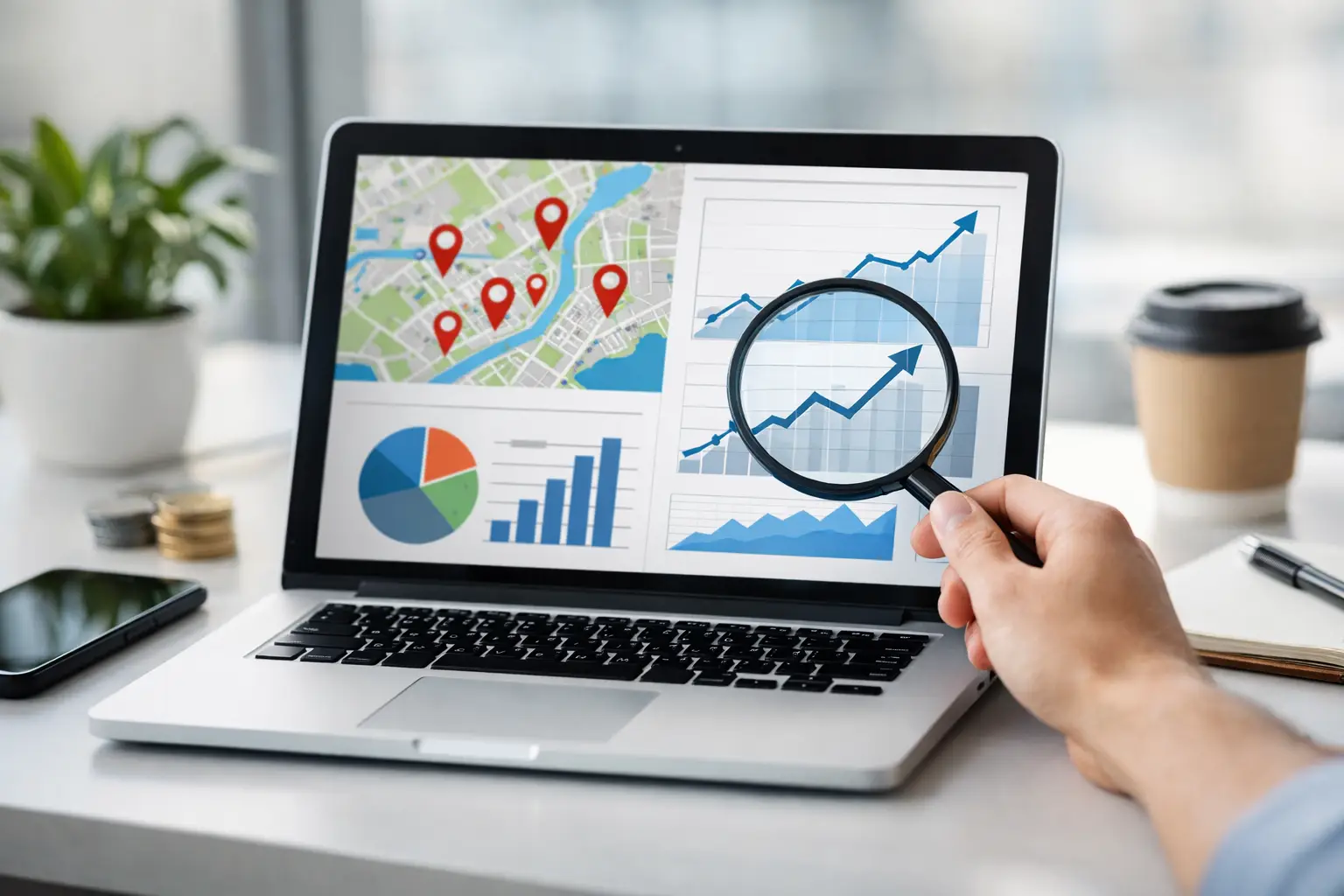
A lot of businesses hear the word measurable and immediately think of clicks. Clicks matter in some campaigns, but they are only one part of the picture. Measurable local advertising results often show up across several signals at once.
A law firm might see more direct calls from targeted ZIP codes after a neighborhood print campaign and podcast mention. A medical practice may notice branded search volume rise after consistent local media exposure. A restaurant may see reservation spikes on the same nights a community publication hits homes nearby. A home services company may hear new customers say, “I keep seeing you everywhere.”
That last part matters more than many marketers admit. Brand recall is measurable, even when it does not behave like a pay-per-click dashboard. If your audience remembers your name before they need you, your advertising is doing real work. When they finally need your service, all roads lead to your business instead of a competitor they saw more often.
Why local campaigns fail to produce measurable local advertising results
The biggest issue is not usually bad creative. It is scattered execution. One month on social media, one print ad six weeks later, maybe a sponsorship with no follow-up – that is not a strategy. That is traffic without direction.
Local advertising performs best when the message, placement, and geography all line up. If your ideal customer lives in affluent neighborhoods but your budget gets spread across broad audiences with weak local relevance, your campaign may generate activity without producing momentum. You will spend money and still struggle to connect the dots.
Another problem is expecting immediate conversion from every channel. Traditional media, local publications, podcast features, and community visibility often work together to build trust before the lead form ever gets filled out. If you judge every placement by last-click logic, you can end up cutting the very channels that make your business memorable.
There is also a frequency problem. In local markets, one appearance is rarely enough. Repetition creates familiarity, and familiarity creates response. If your brand shows up once, you may get noticed. If it shows up consistently in trusted local spaces, you are far more likely to get chosen.
The metrics that matter most
The right measurement framework depends on your business model, sales cycle, and service area. A franchise with multiple locations should not track results the same way as a boutique wealth advisor or elective medical practice. Still, most local businesses should pay close attention to a core set of indicators.
Lead volume is an obvious one, but lead quality matters just as much. If you are attracting inquiries from outside your service area or from buyers who are not a fit, your targeting needs work. Geographic match is a strong local metric because it tells you whether your message is reaching the neighborhoods that matter most.
Branded search traffic is another useful signal. When more people search your business name after a local campaign launches, that usually points to stronger awareness and recall. Direct website traffic can tell a similar story, especially when paired with spikes in phone calls or form submissions.
For businesses with physical locations, foot traffic and appointment volume are key. For service businesses, phone call tracking, booking requests, and consultation rates often reveal more than vanity metrics ever will. If your average customer value is high, even a modest increase in qualified inquiries can justify a broad local media plan.
Then there is the metric many owners feel before they formally measure it: market presence. Are people mentioning your business more often? Are referral partners seeing your name in the community? Are prospects already familiar with you during sales conversations? Those signals should not replace hard numbers, but they do help explain why certain campaigns outperform over time.
Building a local strategy you can actually track
If you want better results, start by narrowing your market instead of widening it. Strong local campaigns are built around specific communities, neighborhoods, income profiles, and buying behaviors. When you know where your best customers live and how they consume media, your ad spend gets much more efficient.
Next, line up your channels around a single business goal. If the goal is top-of-mind awareness in affluent neighborhoods, your campaign may include community publications, local podcast exposure, event visibility, direct-response media, and supporting digital retargeting. If the goal is short-term lead generation, the mix may shift. Either way, every channel should have a job.
That is where many businesses get off track. They buy media in pieces instead of creating a coordinated route. One channel builds recognition. Another adds credibility. Another captures demand when the prospect is ready. The real value is in how those channels reinforce each other.
Tracking should be set before the campaign starts, not after. Use dedicated phone numbers where appropriate. Create campaign-specific landing pages when needed. Ask new customers where they heard about you, but do not stop there. Compare response patterns by geography, timing, and media placement. Look at what happens during the campaign and in the weeks after. Local awareness often creates a delayed lift.
Why a multi-channel approach works better in local markets
People do not make decisions in one straight line. They hear about your business from a neighbor, see your brand in a trusted publication, catch your name on a local podcast, and then search for you when the need becomes urgent. That is how local buying behavior really works.
This is why a multi-channel model produces stronger measurable local advertising results than isolated tactics. It increases the odds that your audience will encounter your brand in the contexts that feel familiar and credible. That matters even more in higher-value purchases where trust drives action.
There is a trade-off, of course. Multi-channel campaigns can be harder to measure if you expect every dollar to tie neatly to one conversion source. But they are often easier to feel in the business itself. Better lead quality. Shorter trust-building conversations. More branded searches. More people who already know your name before the first call.
For growth-focused businesses, the goal is not just attribution. The goal is market share. You want to own more mental space in the communities you serve. When that happens, your digital efforts work better, your referrals land warmer, and your sales process gets less uphill.
Local visibility is only valuable if it moves the business
There is no trophy for being seen if no one acts. Strong campaigns connect visibility to business outcomes. That means creative should be clear, memorable, and locally relevant. Your message should speak to the audience in front of you, not a generic customer profile from a national playbook.
It also means your follow-up process has to keep pace. If your campaign succeeds in driving attention but calls go unanswered or leads sit untouched, your measurement will make the media look weaker than it is. Advertising can open the lane, but your internal systems still have to finish the drive.
This is where an experienced local media partner changes the game. Instead of juggling disconnected vendors and guessing which placements are worth repeating, you get a plan built around how your market actually behaves. 16W Media Group approaches that challenge by bringing brand localization, media exposure, and community storytelling onto one branding highway, so businesses are not just visible – they are remembered where it counts.
A better question than “Did the ad work?”
Business owners often ask whether a specific ad worked. That is fair, but it is usually too narrow. The better question is whether your overall local presence is growing stronger in the right places with the right buyers.
The strongest campaigns do not always produce instant fireworks. Sometimes they build a steady pattern of recognition that turns into better leads and better close rates over time. Sometimes one channel introduces the brand while another captures the conversion. Sometimes the biggest win is that your business stops blending into the background.
If you want measurable local advertising results, think less about random acts of promotion and more about building a repeatable route to visibility, trust, and response. The businesses that win locally are not always the loudest. They are the ones that show up consistently, in the right places, with a message people remember when it is time to buy.
That is the fast-track worth taking.